-
×
 0-100k Case Study from Grant Ambrose
1 × $95.00
0-100k Case Study from Grant Ambrose
1 × $95.00 -
×
 2018 Geriatric Conference - Steven Atkinson
1 × $85.00
2018 Geriatric Conference - Steven Atkinson
1 × $85.00 -
×
Think and Grow Rich - Napoleon Hill
2 × $23.00
-
×
Pain Management in the Elderly - Steven Atkinson
2 × $35.00
-
×
“Email Response Warrior + Email Inbox Warrior” – Jason Henderson
1 × $78.00
-
×
Prac Packs 1-f 2 - Rex Sikes & Jonathan Altfeld
1 × $11.00
-
×
Reliable Income – Adam Hudson
1 × $172.00
-
×
Addressing Patient Behavior by Brain Lesion Site: Clinical Tools and Strategies Specific to Patient Deficits - Jerome Quellier
1 × $85.00
-
×
Advanced EKG Assessment - Cathy Lockett
1 × $30.00
-
×
Affiliate Marketing Secrets - Iman Shafiei
1 × $91.00
-
×
Rachel Rodger - Small Business Bodyguard
2 × $43.00
-
×
Zulu Trading Method For The Soybeans - Joe Ross
1 × $18.00
-
×
Jason and Trav - The 2015 Paradise Pack
1 × $37.00
-
×
10 MILLION DOLLAR SECRETS (CD and MANUALS) - DAN KENNEDY
1 × $19.00
-
×
1-2-3 Magic: 3-Step Discipline for Calm, Effective and Happy Parenting - Thomas W. Phelan
1 × $84.00
-
×
Managing Patient Emergencies: Critical Care Skills Every Nurse Must Know - Dr. Paul Langlois
1 × $85.00
-
×
5 Diamond Self-hypnosis SuperPack – Steve G Jones
1 × $144.00
-
×
Disordered Eating Behaviors: Identify and Treat the Underlying Trauma - Lori Kucharski
3 × $85.00
-
×
Darlene Nelson - Lifestyle Trading with L.E.A.P.S.
1 × $29.00
-
×
"True Bee" Sittepute - Kru Bee Clinch Wizard - Kru Moonkondech
1 × $25.00
-
×
Steve Gordon - The Unstoppable Referrals Launchpad
2 × $40.00
-
×
ZTradeCZAR Master Options Trader - Ztradeczar
1 × $117.00
-
×
6 Week Affiliate Mastery Challenge 2015 (GB)
2 × $252.00
-
×
Tax-Free Zone Video Course - America
1 × $79.00
-
×
Dynamic Power Of Deliberate Creation (2006) - Robert Anthony
1 × $15.00
-
×
 Emergence – BUNDLE
1 × $60.00
Emergence – BUNDLE
1 × $60.00 -
×
Spanish for HealthCare Professionals: Intensive Online Course - Tracey Long
1 × $65.00
-
×
$100K Academy – Charlie Brandt
1 × $63.00
-
×
"10 Best" Diamond Aloha Activations, Discourses and Transmissions - Jacqueline Joy
1 × $83.00
-
×
10X Formula Strategy – Simpler Trading
1 × $52.00
-
×
$1K A Day Fast Track – Merlin Holmes
1 × $123.00
-
×
Affiliate Millionaires 3.0 2017 – Greg Davis
1 × $139.00
-
×
Autoresponder Alchemy
2 × $34.00
-
×
John Burton - Hypnotic Language
1 × $20.00
-
×
Zero To 10k Challenge - Joshua Elder
1 × $85.00
-
×
The Obstacle Course to Success - Michael Neill
1 × $44.00
-
×
Lymphatic Drainage Flush MP3
1 × $22.00
-
×
10 Dollar Time Bomb VIP – Ben Adkins
1 × $44.00
-
×
Optimizing Compliance and Maximizing Revenue for Ophthalmology and Optometry - Jeffrey P. Restuccio
1 × $85.00
-
×
Jason Capital - Instagram Agent System
1 × $161.00
-
×
10 Steps to Learn Anything Quickly - John Sonmez
1 × $104.00
-
×
Couch To Book By Justin Brooke
1 × $59.00
-
×
'MAGNETIC INFLUENCE' - Magnet for Money, Charisma, Confidence! - Dani Johnson
1 × $63.00
-
×
All Things Cardiac: Evidence-Based Approaches to Manage Any Situation - Cyndi Zarbano
1 × $85.00
-
×
CDT Dental Coding and Reimbursement Update: Identifying Common Practice Mistakes - Paul Bornstein
1 × $85.00
-
×
Grow with Quizzes - Chanti Zak
1 × $193.00
-
×
"Diamond Wealth of Being" Activation - Jacqueline Joy
1 × $28.00
-
×
 Heather Mathews – Manifestation Miracle
1 × $19.00
Heather Mathews – Manifestation Miracle
1 × $19.00 -
×
Amy Porterfield - Webinars That Convert
1 × $81.00
-
×
Encyclopedia Of Language And Linguistics - Keith Brown
1 × $393.00
-
×
Cognitive Rehabilitation Therapy: Practical Interventions and Personalized Planning - Jane Yakel
1 × $85.00
-
×
Tai Chi Chin Na - Yang Jwing Ming
1 × $33.00
-
×
Design Sprint Masterclass
1 × $144.00
-
×
MyBeliefworks for Pain Relief, Chronic, Pre Op/Post Op to Pain-free Recovery - Jimmy Mack
1 × $25.00
-
×
Rori Raye – Targeting Mr. Right
1 × $62.00
-
×
Sue Nelson - Buying from Bank Home Study Course
1 × $137.00
-
×
Geoff Lawton - Online Permaculture Design 2.0
1 × $161.00
-
×
Palliative Wound Care: Management of Complex and Unique Wound Challenges at the End of Life - Laurie Klipfel
1 × $85.00
-
×
2-Day: Rapid Response: Master the Critical Signs and Symptoms that Patients Provide - Rachel Cartwright-Vanzant
1 × $95.00
-
×
Zero Down Real Estate Investing
1 × $33.00
-
×
Finding Motivated Sellers - Ron Legand
1 × $454.00
-
×
Daryl Guppy - Traders Seminars – 7 CD
1 × $84.00
-
×
Legal Risks in Nursing Documentation – Use Extreme Caution When Skimming the Facts - Rosale Lobo
1 × $40.00
-
×
Stocklock Masterclass
1 × $163.00
-
×
Chad Kimball - Phone Verify Google Local Listings
1 × $87.00
-
×
Brian Tracy - The 6-Figure Speaker Virtual Training Course
1 × $52.00
-
×
Exhilarate - The Ultimate Zumba Fitness - Zumba Fitness
1 × $18.00
-
×
Richard Bandler - Memories
1 × $16.00
 Think and Grow Rich - Napoleon Hill
  Prac Packs 1-f 2 - Rex Sikes & Jonathan Altfeld
  Rachel Rodger - Small Business Bodyguard
  Zulu Trading Method For The Soybeans - Joe Ross
  Jason and Trav - The 2015 Paradise Pack
  Darlene Nelson - Lifestyle Trading with L.E.A.P.S.
  "True Bee" Sittepute - Kru Bee Clinch Wizard - Kru Moonkondech
 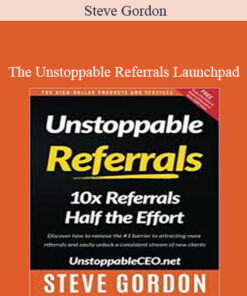 Steve Gordon - The Unstoppable Referrals Launchpad
 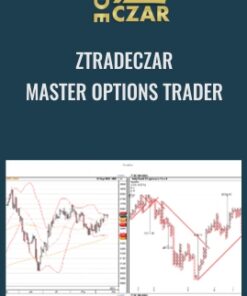 ZTradeCZAR Master Options Trader - Ztradeczar
  Dynamic Power Of Deliberate Creation (2006) - Robert Anthony
  Emergence – BUNDLE
  $100K Academy – Charlie Brandt
  "10 Best" Diamond Aloha Activations, Discourses and Transmissions - Jacqueline Joy
  $1K A Day Fast Track – Merlin Holmes
  John Burton - Hypnotic Language
  Zero To 10k Challenge - Joshua Elder
  Lymphatic Drainage Flush MP3
  Jason Capital - Instagram Agent System
 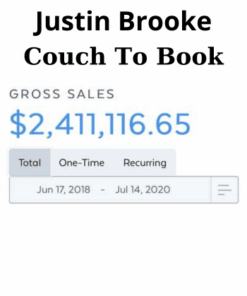 Couch To Book By Justin Brooke
  'MAGNETIC INFLUENCE' - Magnet for Money, Charisma, Confidence! - Dani Johnson
  Grow with Quizzes - Chanti Zak
  "Diamond Wealth of Being" Activation - Jacqueline Joy
  Heather Mathews – Manifestation Miracle
  Amy Porterfield - Webinars That Convert
  Encyclopedia Of Language And Linguistics - Keith Brown
  Tai Chi Chin Na - Yang Jwing Ming
  MyBeliefworks for Pain Relief, Chronic, Pre Op/Post Op to Pain-free Recovery - Jimmy Mack
  Rori Raye – Targeting Mr. Right
  Sue Nelson - Buying from Bank Home Study Course
  Geoff Lawton - Online Permaculture Design 2.0
  Zero Down Real Estate Investing
  Finding Motivated Sellers - Ron Legand
  Daryl Guppy - Traders Seminars – 7 CD
 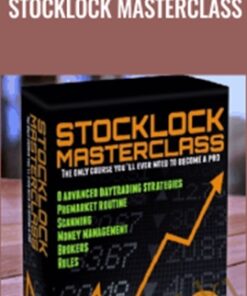 Stocklock Masterclass
  Chad Kimball - Phone Verify Google Local Listings
 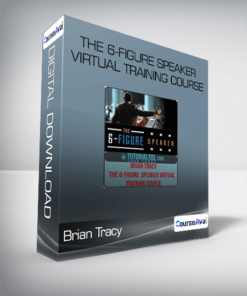 Brian Tracy - The 6-Figure Speaker Virtual Training Course
  Exhilarate - The Ultimate Zumba Fitness - Zumba Fitness
  Richard Bandler - Memories
 You may be interested in…
-
Add
 ‘The Iceman’ 10-Week Video Course – Wim Hof Method
Original price was: $199.00.$35.00Current price is: $35.00.
‘The Iceman’ 10-Week Video Course – Wim Hof Method
Original price was: $199.00.$35.00Current price is: $35.00. -
Add
“The Beast” Automated Trading System V2 (Feb 2015)
Original price was: $250.00.$36.00Current price is: $36.00.
-
Add
$300 a day YouTube Affiliate Marketing Blueprint - Hunter Edwards
Original price was: $147.00.$43.00Current price is: $43.00.
-
Add
“Done-For-You” Client-Attraction Teleseminar Package – Michelle Schubnel
Original price was: $597.00.$80.00Current price is: $80.00.
-
Add
10,000 Royalty Free Photos - Alun Hill
Original price was: $1,000.00.$195.00Current price is: $195.00.