-
×
 The Mind Force Library System
2 × $23.00
The Mind Force Library System
2 × $23.00 -
×
 Alicia Streger – 28-Day Transformation Challenge
1 × $35.00
Alicia Streger – 28-Day Transformation Challenge
1 × $35.00 -
×
Managing Patient Emergencies - Robin Gilbert
4 × $85.00
-
×
Spanish for HealthCare Professionals: Intensive Online Course - Tracey Long
2 × $65.00
-
×
Wesak Full Moon Karma Clearing 2019: ”Clear Your Ability to Manifest”: The Most Important Date of the Year for Removing Blocks to Enlightenment
1 × $21.00
-
×
1% Better Every Day Strength Building System - Ricky Lundell
1 × $32.00
-
×
Certificate Course in Cognitive Behavioral Therapy for Insomnia (CBT-I): Evidence-based Insomnia Interventions for Trauma, Anxiety, Depression, Chronic Pain, & more - Colleen E. Carney & Meg Danforth
3 × $125.00
-
×
Millionaire Mafia Instagram Mastery 3.0 – Ben Oberg
1 × $123.00
-
×
Optimizing Compliance and Maximizing Revenue for Ophthalmology and Optometry - Jeffrey P. Restuccio
1 × $85.00
-
×
Foundation & Application Of The Market Profile Dalton Trading - Jim Dalton
1 × $311.00
-
×
The Power of Visualization - Dr. Lee Pulos
2 × $13.00
-
×
"10 Best" Diamond Aloha Activations, Discourses and Transmissions - Jacqueline Joy
1 × $83.00
-
×
Managing Bedside Emergencies Online Course - Pam Collins & Cyndi Zarbano
1 × $85.00
-
×
The Body Coach Workout - Joe Wicks
1 × $29.00
-
×
2-Day: Certificate in Stroke Rehabilitation: Best Practices for Rapid Functional Gains and Improved Outcomes - Ben - Benjamin White
2 × $94.00
-
×
Impending Doom: Crisis Prevention and Management in the Deteriorating Patient - Rachel Cartwright-Vanzant
1 × $85.00
-
×
Richard Moxley - The Credit Game
1 × $47.00
-
×
Management of the Burn Patient - Dr. Paul Langlois
3 × $35.00
-
×
Managing Geriatric Behaviors: Wandering, Aggression, Malnutrition and More - Steven Atkinson
1 × $35.00
-
×
Certified Clinical Anxiety Treatment Professional (CCATP) Training Course: Applied Neuroscience for Treating Anxiety, Panic, and Worry - Catherine M. Pittman
1 × $125.00
-
×
Palliative Wound Care: Management of Complex and Unique Wound Challenges at the End of Life - Laurie Klipfel
2 × $85.00
-
×
CLICKBANK Commission Jumpstart - Ross Minchev
1 × $48.00
-
×
The Food Matters Juice Detox - Food Matters
1 × $47.00
-
×
2-Day: Rapid Response: Master the Critical Signs and Symptoms that Patients Provide - Rachel Cartwright-Vanzant
1 × $95.00
-
×
Yes to Success Seminar - Debra Poneman
1 × $62.00
-
×
Rehabbing Ron's Way - Ron Legand
1 × $454.00
-
×
Lawsuits and Wounds: The Latest Trends and Risk Reduction Strategies to Protect Your Patients and Your License - Ann Kahl Taylor
1 × $85.00
-
×
Complete Course of Astrology - George Bayer
1 × $93.00
-
×
Flipping Ugly Houses Fast (Wholesaling) - Ron Legand
1 × $149.00
-
×
...and Forgive Them Their Debts - Michael Hudson
1 × $37.00
-
×
Zulu Trading Method For The Soybeans - Joe Ross
1 × $18.00
-
×
Legal Risks in Nursing Documentation – Use Extreme Caution When Skimming the Facts - Rosale Lobo
3 × $40.00
-
×
List Pulling & Text Blas Training Module - Kris Haskins & Dutch Jackson
1 × $40.00
-
×
Jim Oliver - Transformational Healing Music
1 × $28.00
-
×
"Male Physique Training Templates" - Renaissance Periodization
1 × $42.00
-
×
Embracing Change (Tim Phizackerley) - PSTEC
1 × $15.00
-
×
Secrets of the Hip and Knee - Gray Cook
1 × $28.00
-
×
Critical Care Nurse Certification – CCRN Exam Prep Package with Practice Test and NSN Access - Cyndi Zarbano
1 × $72.00
-
×
Kevin Paffrath - From $0 to Millionaire & Beyond
1 × $66.00
-
×
Emerging Adults: Clinical Strategies to Gain Independence, Defeat Anxiety and Succeed in the Real World - Kimberly Morrow & Elizabeth DuPont Spencer
1 × $34.00
-
×
Exhilarate - The Ultimate Zumba Fitness - Zumba Fitness
1 × $18.00
-
×
Disposition Wholesaling - Carlos Reyes, Alex Saenz, Sal Shakir
1 × $125.00
-
×
Pain Management - Dr. Paul Langlois
1 × $35.00
-
×
Melissa Ambrosini - The MA Academy Business Bootcamp
1 × $37.00
-
×
Train Your Mind for Athletic Success - Mental Preparation to Achieve Your Sports Goals - Jim Taylor
1 × $18.00
-
×
Subject To Document Packet - Kris Haskins
1 × $54.00
-
×
Pain Management in the Elderly - Steven Atkinson
1 × $35.00
-
×
Kali Home Study Set - Jon Rister
1 × $53.00
-
×
33 Courses Collection - Gerald Kein
1 × $199.00
-
×
Integrated Chronic Pain Management: Mental Health Interventions that Counteract Opiate Addiction - Robert Umlauf
1 × $85.00
-
×
Explosive Growth Options & Stocks (EGOS) Program – Base Camp Trading
1 × $115.00
-
×
10 Second Sexual Attraction 2.0 – Mehow
1 × $42.00
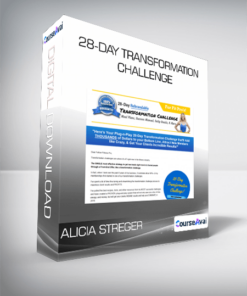 Alicia Streger – 28-Day Transformation Challenge
  Managing Patient Emergencies - Robin Gilbert
  Wesak Full Moon Karma Clearing 2019: ”Clear Your Ability to Manifest”: The Most Important Date of the Year for Removing Blocks to Enlightenment
  Millionaire Mafia Instagram Mastery 3.0 – Ben Oberg
  Foundation & Application Of The Market Profile Dalton Trading - Jim Dalton
  The Power of Visualization - Dr. Lee Pulos
  "10 Best" Diamond Aloha Activations, Discourses and Transmissions - Jacqueline Joy
  The Body Coach Workout - Joe Wicks
  Richard Moxley - The Credit Game
  CLICKBANK Commission Jumpstart - Ross Minchev
  The Food Matters Juice Detox - Food Matters
  Yes to Success Seminar - Debra Poneman
  Rehabbing Ron's Way - Ron Legand
  Complete Course of Astrology - George Bayer
  Flipping Ugly Houses Fast (Wholesaling) - Ron Legand
  ...and Forgive Them Their Debts - Michael Hudson
  Zulu Trading Method For The Soybeans - Joe Ross
  List Pulling & Text Blas Training Module - Kris Haskins & Dutch Jackson
  Jim Oliver - Transformational Healing Music
  "Male Physique Training Templates" - Renaissance Periodization
  Embracing Change (Tim Phizackerley) - PSTEC
  Secrets of the Hip and Knee - Gray Cook
  Kevin Paffrath - From $0 to Millionaire & Beyond
  Emerging Adults: Clinical Strategies to Gain Independence, Defeat Anxiety and Succeed in the Real World - Kimberly Morrow & Elizabeth DuPont Spencer
  Exhilarate - The Ultimate Zumba Fitness - Zumba Fitness
  Disposition Wholesaling - Carlos Reyes, Alex Saenz, Sal Shakir
  Melissa Ambrosini - The MA Academy Business Bootcamp
  Train Your Mind for Athletic Success - Mental Preparation to Achieve Your Sports Goals - Jim Taylor
 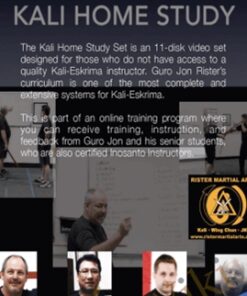 Kali Home Study Set - Jon Rister
  33 Courses Collection - Gerald Kein
  Explosive Growth Options & Stocks (EGOS) Program – Base Camp Trading
 You may be interested in…
-
Add
 $12k in 37 Days 4 Week Master Class – Sean Terry
Original price was: $497.00.$53.00Current price is: $53.00.
$12k in 37 Days 4 Week Master Class – Sean Terry
Original price was: $497.00.$53.00Current price is: $53.00. -
Add
(Bundle) Pindepth: Advanced Pinterest Marketing for Business - Kayla M. Butler
Original price was: $239.00.$44.00Current price is: $44.00.
-
Add
$1K A Day Fast Track – Merlin Holmes
Original price was: $997.00.$123.00Current price is: $123.00.
-
Add
007s Guide to a Womans Heart – Elite Training Bundle
Original price was: $197.00.$35.00Current price is: $35.00.
-
Add
$42000 Mastermind Manuscript 2008 - Rich Schefren
Original price was: $27.00.$23.00Current price is: $23.00.