-
×
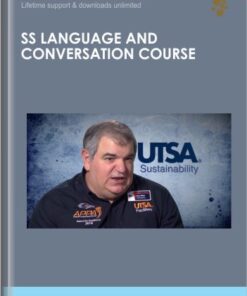 SS Language and Conversation Course - Dave Riker
1 × $62.00
SS Language and Conversation Course - Dave Riker
1 × $62.00 -
×
 Richard Bandler - Memories
2 × $16.00
Richard Bandler - Memories
2 × $16.00 -
×
System 88 - Docc Hilford & Dr. Lisa Chin
1 × $25.00
-
×
$300 a day YouTube Affiliate Marketing Blueprint - Hunter Edwards
1 × $43.00
-
×
Disordered Eating Behaviors: Identify and Treat the Underlying Trauma - Lori Kucharski
2 × $85.00
-
×
Amy Porterfield - Courses That Convert
1 × $89.00
-
×
Managing Patient Emergencies - Robin Gilbert
1 × $85.00
-
×
Advanced EKG Assessment - Cathy Lockett
1 × $30.00
-
×
10x Wealth and Business New – Brendon Burchard
1 × $123.00
-
×
Improving Diabetes Management: Tools for the Nurse - Nancy Moline
1 × $85.00
-
×
Cognitive Rehabilitation Therapy: Practical Interventions and Personalized Planning - Jane Yakel
1 × $85.00
-
×
Taylor Welch – (Facebook) Group to Clients
1 × $99.00
-
×
Mike Dillard - Elevation Income Course
1 × $71.00
-
×
“Done-For-You” Client-Attraction Teleseminar Package – Michelle Schubnel
1 × $80.00
-
×
[BIG Collection Real Estate] Real Estate Web Academy – Great Real Estate Giveaway
1 × $88.00
-
×
101: Access Your Psych Capital - The ReThink Group
1 × $90.00
-
×
0-100K Case Study – Grant Ambrose
1 × $123.00
-
×
2-Day: Certificate in Stroke Rehabilitation: Best Practices for Rapid Functional Gains and Improved Outcomes - Ben - Benjamin White
1 × $94.00
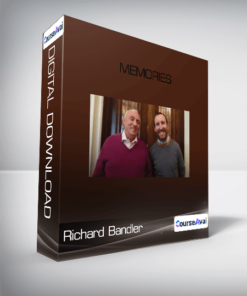 Richard Bandler - Memories
  System 88 - Docc Hilford & Dr. Lisa Chin
  $300 a day YouTube Affiliate Marketing Blueprint - Hunter Edwards
  Disordered Eating Behaviors: Identify and Treat the Underlying Trauma - Lori Kucharski
  Amy Porterfield - Courses That Convert
  10x Wealth and Business New – Brendon Burchard
  Taylor Welch – (Facebook) Group to Clients
  Mike Dillard - Elevation Income Course
  “Done-For-You” Client-Attraction Teleseminar Package – Michelle Schubnel
  0-100K Case Study – Grant Ambrose
 You may be interested in…
-
Add
 'Quantum' Chakra Clearing and Balancing Series - Jonette Crowley
Original price was: $130.00.$52.00Current price is: $52.00.
'Quantum' Chakra Clearing and Balancing Series - Jonette Crowley
Original price was: $130.00.$52.00Current price is: $52.00. -
Add
"Is Your Soul Allowing You To Heal?" -- All 7 Recordings in the Series (6 Hours of Audio Clearings)
Original price was: $150.00.$83.00Current price is: $83.00.