-
×
 Youtube Affiliate Marketing Income Exploder - Jordan Mackey
2 × $45.00
Youtube Affiliate Marketing Income Exploder - Jordan Mackey
2 × $45.00 -
×
 Rhode Island Mental Health & The Law - 2020 - Robert Landau & Frederic Reamer
1 × $83.00
Rhode Island Mental Health & The Law - 2020 - Robert Landau & Frederic Reamer
1 × $83.00 -
×
10 Best-Ever Anxiety Treatment Techniques - Margaret Wehrenberg
1 × $164.00
-
×
Managing Patient Emergencies - Robin Gilbert
3 × $85.00
-
×
Certificate Course in Cognitive Behavioral Therapy for Insomnia (CBT-I): Evidence-based Insomnia Interventions for Trauma, Anxiety, Depression, Chronic Pain, & more - Colleen E. Carney & Meg Danforth
3 × $125.00
-
×
Managing Patient Emergencies: Critical Care Skills Every Nurse Must Know - Dr. Paul Langlois
1 × $85.00
-
×
Adam Linkenauger - Video Traffic System with OTO
1 × $61.00
-
×
101: Access Your Psych Capital - The ReThink Group
2 × $90.00
-
×
Managing Geriatric Behaviors: Wandering, Aggression, Malnutrition and More - Steven Atkinson
2 × $35.00
-
×
Cognitive Rehabilitation Therapy: Practical Interventions and Personalized Planning - Jane Yakel
2 × $85.00
-
×
ACPARE - Funds vs. joint Venture Structures Mastery
2 × $86.00
-
×
Energy Enhancement Course : Sacred Dance
1 × $25.00
-
×
The Easy Way To Earn Your First Million Online - Nigel Hinds
1 × $23.00
-
×
5 Diamond Self-hypnosis SuperPack – Steve G Jones
2 × $144.00
-
×
Daily Stoic – Read to Lead 2022
1 × $19.00
-
×
16 Seminar Home Study Course – Lawrence G. McMillan
2 × $60.00
-
×
$100K Online Marketing Kit – Staci Ann
1 × $23.00
-
×
Naima Sheikh – Products That POP!
1 × $19.00
-
×
Integrated Chronic Pain Management: Mental Health Interventions that Counteract Opiate Addiction - Robert Umlauf
1 × $85.00
-
×
Think and Grow Rich - Napoleon Hill
1 × $23.00
-
×
12 Dimensions of Mastery (Lifebook Challenge)
4 × $92.00
-
×
"Fix My Job" binaural mantra meditation for attracting work you love - Michael Davis Golzmane
1 × $17.00
-
×
MyBeliefworks for Changing Beliefs About Work, Job, Career - Jimmy Mack
1 × $34.00
-
×
Optimizing Compliance and Maximizing Revenue for Ophthalmology and Optometry - Jeffrey P. Restuccio
1 × $85.00
-
×
"10 Best" Diamond Aloha Activations, Discourses and Transmissions - Jacqueline Joy
1 × $83.00
-
×
All Things Cardiac: Evidence-Based Approaches to Manage Any Situation - Cyndi Zarbano
4 × $85.00
-
×
10 Brain-Based Strategies to Help Children in the Classroom: Improve Emotional, Academic & Social Skills for Back to School - Tina Payne Bryson
1 × $29.00
-
×
EXOS Presents: Advanced Strength and Power Featuring Dan Baker
1 × $53.00
-
×
The One Percent [September 2019] - Ryan Moran
2 × $45.00
-
×
10x Facebook Ads – Joanna Wiebe
2 × $123.00
-
×
Addressing Patient Behavior by Brain Lesion Site: Clinical Tools and Strategies Specific to Patient Deficits - Jerome Quellier
2 × $85.00
-
×
10 Dollar Time Bomb VIP – Ben Adkins
3 × $44.00
-
×
Autoresponder Alchemy
1 × $34.00
-
×
Zumba Fitness - Total Body Transformation System (2008)
1 × $28.00
-
×
Guide to Extreme Close Quarter Shooting - Jim Grover
1 × $47.00
-
×
Land Trust Document Packet - Kris Haskins
1 × $84.00
-
×
Spartan Forex Trader Academy – 800k Forex Workshop
1 × $45.00
-
×
“Email Response Warrior + Email Inbox Warrior” – Jason Henderson
1 × $78.00
-
×
[BIG Collection Real Estate] Real Estate Web Academy – Great Real Estate Giveaway
5 × $88.00
-
×
System 88 - Docc Hilford & Dr. Lisa Chin
1 × $25.00
-
×
Work for Equity Order Form - Ron Legand
1 × $192.00
-
×
Spanish for HealthCare Professionals: Intensive Online Course - Tracey Long
1 × $65.00
-
×
The Mind Force Library System
1 × $23.00
-
×
101 Practical Strategies for the Treatment of GAD, Panic, OCD, Social Anxiety Disorder, Phobias and Insomnia - Jennifer L. Abel
3 × $124.00
-
×
10 Steps to Learn Anything Quickly - John Sonmez
1 × $104.00
-
×
Lisa Sasevich - Speak- to -Sell Virtual Bootcamp - Spring 2015
1 × $85.00
-
×
1 Lead A Day - Bryan Kreuzberger
1 × $103.00
-
×
Copywriting For Creatives - Ashlyn Carter
1 × $24.00
-
×
Charles Kirkland - 4X Traffic Maximizer
1 × $35.00
-
×
$42000 Mastermind Manuscript 2008 - Rich Schefren
2 × $23.00
-
×
Mike Dillard - Elevation Income Course
1 × $71.00
-
×
(Bundle) Pindepth: Advanced Pinterest Marketing for Business - Kayla M. Butler
1 × $44.00
-
×
Phill Grove - Mortgage Assignment Profit System
1 × $137.00
-
×
Aidan Booth & Steve Clayton - 100k Factory - Ultra Edition
2 × $137.00
-
×
Legal Risks in Nursing Documentation – Use Extreme Caution When Skimming the Facts - Rosale Lobo
2 × $40.00
-
×
1 Hour SEO | Become a Technical Marketer
1 × $40.00
-
×
Esozone Codex Brain Change Course - Command Z
2 × $33.00
-
×
Mok Gar - Chinese kungfu series (chinese lang.)
1 × $26.00
-
×
Erle Montaigue - MTG38 - Baguazhang Essentials Vol1 The Classics
1 × $10.00
-
×
10 Steps to Greater Confidence and Self-Esteem - Alexis Meads
2 × $42.00
-
×
Reliable Income – Adam Hudson
1 × $172.00
-
×
Selling Houses Fast - Ron Legrand
1 × $95.00
-
×
$200k Book Blueprint Training – Richelle Shaw
1 × $96.00
-
×
2-Day: Rapid Response: Master the Critical Signs and Symptoms that Patients Provide - Rachel Cartwright-Vanzant
2 × $95.00
-
×
21 Day Inner Healing Journey - Jimmy Evans
2 × $20.00
-
×
Improving Diabetes Management: Tools for the Nurse - Nancy Moline
1 × $85.00
-
×
Branding & Duplication Playbook
2 × $33.00
-
×
The Linkedin Executive Advantage Live Mentorship Program
1 × $191.00
-
×
Scott Britton - Udemy 6 Figure Fast Track
1 × $47.00
-
×
10 Million Dollar Marketing Secrets - Dan Kennedy
1 × $45.00
-
×
Business Giveaway Machine – Coaching Program - Carl Allen
1 × $85.00
-
×
2018 Geriatric Conference - Steven Atkinson
2 × $85.00
-
×
The Body Coach Workout - Joe Wicks
1 × $29.00
-
×
EXOS Presents: Tactical Training Systems
1 × $53.00
-
×
Dealmaker Empire - Carl Allen
1 × $185.00
-
×
Cardiopulmonary Therapy for the Rehab Professional: Therapeutic Interventions for All Aspects of Cardiac Care - From ICU to Outpatient - Cindy Bauer
1 × $84.00
-
×
10X Secrets Masterclass - Russell Brunson
1 × $102.00
-
×
Brian Tracy - The 6-Figure Speaker Virtual Training Course
1 × $52.00
-
×
Make 'Em Laugh & Take Their Money - Dan Kennedy
1 × $17.00
-
×
Disordered Eating Behaviors: Identify and Treat the Underlying Trauma - Lori Kucharski
2 × $85.00
-
×
EXOS Presents: The 0.10 Second Difference
1 × $53.00
-
×
Keith Krance - Agency Domination Beta Coaching
1 × $62.00
-
×
Embracing Change (Tim Phizackerley) - PSTEC
1 × $15.00
-
×
Annie Cushing - Annielytics Dashboard Course
2 × $89.00
-
×
Proven Fall Prevention Strategies: Exercise, Meds Management and Home Modification - Trent Brown
1 × $40.00
-
×
1-2-3 Magic: 3-Step Discipline for Calm, Effective and Happy Parenting - Thomas W. Phelan
1 × $84.00
-
×
Pain Management in the Elderly - Steven Atkinson
3 × $35.00
-
×
Adam Melson - Advanced Organic Acquisition
1 × $61.00
-
×
Train Your Mind for Athletic Success - Mental Preparation to Achieve Your Sports Goals - Jim Taylor
1 × $18.00
-
×
Ultimate Fitness - Rick Collingwood
1 × $6.00
-
×
Millionaire Mafia Instagram Mastery 3.0 – Ben Oberg
1 × $123.00
-
×
Mastering Lab Interpretation: Deciphering the Hidden Clues - Sean G. Smith
2 × $84.00
-
×
Customer Storytelling and Proof - ConversionXL, Jordan Greene
1 × $365.00
-
×
Penguin Live 2: Pocket Mentalism - Richard Osterlind
1 × $20.00
-
×
ACPARE - Stabilized Transaction Mastery
2 × $89.00
-
×
Impending Doom: Crisis Prevention and Management in the Deteriorating Patient - Rachel Cartwright-Vanzant
2 × $85.00
-
×
Affiliate Millionaires 3.0 2017 – Greg Davis
1 × $139.00
-
×
Matt Clark and Jason Katzenback - Amazing Selling Machine 10
1 × $176.00
-
×
"Male Physique Training Templates" - Renaissance Periodization
1 × $42.00
-
×
Richard Bandler - Memories
1 × $16.00
-
×
10 Activities to Enhance Social-Emotional Literacy in the Classroom: Transform Student Behavior from Chaos to Calm - Lynne Kenney
1 × $19.00
-
×
Alicia Streger - 2016 Edition 52 Weeks of Facebook Content
1 × $38.00
-
×
The Flow 2012 Edition - Dan Bacon
1 × $21.00
-
×
Alan Cowgill - Private Lending Made Easy Premium System
1 × $89.00
-
×
Advanced Nuances & Exceptions ECourse – Jim Dalton
1 × $312.00
-
×
Optimizing The Brain - TTC Audio
1 × $43.00
-
×
"Is Your Soul Allowing You To Heal?" -- All 7 Recordings in the Series (6 Hours of Audio Clearings)
1 × $83.00
-
×
Dr. Joseph Riggio - Million-Dollar High-Ticket Groups & Programs 2.0
1 × $124.00
-
×
8x Hero Academy – Alex Becker
1 × $94.00
 Rhode Island Mental Health & The Law - 2020 - Robert Landau & Frederic Reamer
  10 Best-Ever Anxiety Treatment Techniques - Margaret Wehrenberg
  Adam Linkenauger - Video Traffic System with OTO
 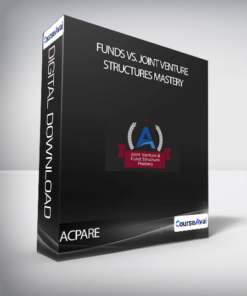 ACPARE - Funds vs. joint Venture Structures Mastery
  Energy Enhancement Course : Sacred Dance
  The Easy Way To Earn Your First Million Online - Nigel Hinds
 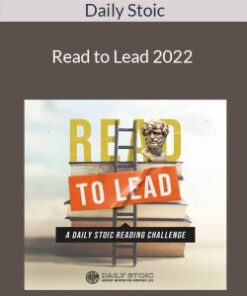 Daily Stoic – Read to Lead 2022
  $100K Online Marketing Kit – Staci Ann
  Naima Sheikh – Products That POP!
  Think and Grow Rich - Napoleon Hill
  "Fix My Job" binaural mantra meditation for attracting work you love - Michael Davis Golzmane
  "10 Best" Diamond Aloha Activations, Discourses and Transmissions - Jacqueline Joy
  EXOS Presents: Advanced Strength and Power Featuring Dan Baker
  10x Facebook Ads – Joanna Wiebe
  Guide to Extreme Close Quarter Shooting - Jim Grover
  Spartan Forex Trader Academy – 800k Forex Workshop
  System 88 - Docc Hilford & Dr. Lisa Chin
  Work for Equity Order Form - Ron Legand
  The Mind Force Library System
  Lisa Sasevich - Speak- to -Sell Virtual Bootcamp - Spring 2015
  1 Lead A Day - Bryan Kreuzberger
  Copywriting For Creatives - Ashlyn Carter
  Charles Kirkland - 4X Traffic Maximizer
  $42000 Mastermind Manuscript 2008 - Rich Schefren
  Mike Dillard - Elevation Income Course
  (Bundle) Pindepth: Advanced Pinterest Marketing for Business - Kayla M. Butler
  Phill Grove - Mortgage Assignment Profit System
  Aidan Booth & Steve Clayton - 100k Factory - Ultra Edition
  Esozone Codex Brain Change Course - Command Z
  Mok Gar - Chinese kungfu series (chinese lang.)
  Erle Montaigue - MTG38 - Baguazhang Essentials Vol1 The Classics
 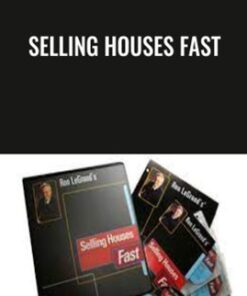 Selling Houses Fast - Ron Legrand
  $200k Book Blueprint Training – Richelle Shaw
  Branding & Duplication Playbook
  The Linkedin Executive Advantage Live Mentorship Program
  Scott Britton - Udemy 6 Figure Fast Track
 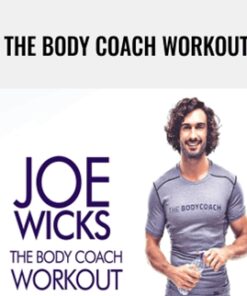 The Body Coach Workout - Joe Wicks
  EXOS Presents: Tactical Training Systems
  Dealmaker Empire - Carl Allen
  Brian Tracy - The 6-Figure Speaker Virtual Training Course
  EXOS Presents: The 0.10 Second Difference
  Keith Krance - Agency Domination Beta Coaching
  Embracing Change (Tim Phizackerley) - PSTEC
  Annie Cushing - Annielytics Dashboard Course
  Adam Melson - Advanced Organic Acquisition
  Train Your Mind for Athletic Success - Mental Preparation to Achieve Your Sports Goals - Jim Taylor
  Ultimate Fitness - Rick Collingwood
  Millionaire Mafia Instagram Mastery 3.0 – Ben Oberg
  Customer Storytelling and Proof - ConversionXL, Jordan Greene
  ACPARE - Stabilized Transaction Mastery
  Matt Clark and Jason Katzenback - Amazing Selling Machine 10
  "Male Physique Training Templates" - Renaissance Periodization
  Richard Bandler - Memories
  Alicia Streger - 2016 Edition 52 Weeks of Facebook Content
  The Flow 2012 Edition - Dan Bacon
  Alan Cowgill - Private Lending Made Easy Premium System
  Advanced Nuances & Exceptions ECourse – Jim Dalton
  Optimizing The Brain - TTC Audio
  "Is Your Soul Allowing You To Heal?" -- All 7 Recordings in the Series (6 Hours of Audio Clearings)
  Dr. Joseph Riggio - Million-Dollar High-Ticket Groups & Programs 2.0
 You may be interested in…
-
Add
 007s Guide to a Womans Heart – Elite Training Bundle
Original price was: $197.00.$35.00Current price is: $35.00.
007s Guide to a Womans Heart – Elite Training Bundle
Original price was: $197.00.$35.00Current price is: $35.00. -
Add
'MAGNETIC INFLUENCE' - Magnet for Money, Charisma, Confidence! - Dani Johnson
Original price was: $397.00.$63.00Current price is: $63.00.
-
Add
10x Wealth and Business New – Brendon Burchard
Original price was: $1,497.00.$123.00Current price is: $123.00.
-
Add
$0 to $100,000 on Amazon (Premium Live Training) – Matt Clark and Jason Katzenback
Original price was: $1,997.00.$193.00Current price is: $193.00.
-
Add
1% Better Every Day Strength Building System - Ricky Lundell
Original price was: $47.00.$32.00Current price is: $32.00.