-
×
 'Quantum' Chakra Clearing and Balancing Series - Jonette Crowley
2 × $52.00
'Quantum' Chakra Clearing and Balancing Series - Jonette Crowley
2 × $52.00 -
×
 Tai Chi Chin Na - Yang Jwing Ming
1 × $33.00
Tai Chi Chin Na - Yang Jwing Ming
1 × $33.00 -
×
Qigong 101: The Art of Healing for Busy People
1 × $35.00
-
×
Autoresponder Alchemy
2 × $34.00
-
×
007s Guide to a Womans Heart – Elite Training Bundle
1 × $35.00
-
×
$100K Academy – Charlie Brandt
2 × $63.00
-
×
6 Week Affiliate Mastery Challenge 2015 (GB)
1 × $252.00
-
×
1 Hour SEO | Become a Technical Marketer
1 × $40.00
-
×
Activate Your Diamond Blueprint - Diamond Energy - Jacqueline Joy
2 × $37.00
-
×
“Email Response Warrior + Email Inbox Warrior” – Jason Henderson
2 × $78.00
-
×
Managing Geriatric Behaviors: Wandering, Aggression, Malnutrition and More - Steven Atkinson
1 × $35.00
-
×
Penguin Live 2: Pocket Mentalism - Richard Osterlind
4 × $20.00
-
×
"Is Your Soul Allowing You To Heal?" -- All 7 Recordings in the Series (6 Hours of Audio Clearings)
1 × $83.00
-
×
“Done-For-You” Client-Attraction Teleseminar Package – Michelle Schubnel
1 × $80.00
-
×
"True Bee" Sittepute - Kru Bee Clinch Wizard - Kru Moonkondech
2 × $25.00
-
×
New Moon Solar Eclipse: 55+ Ancestral Health Karma Clearings - Michael Davis Golzmane
2 × $30.00
-
×
16 Seminar Home Study Course – Lawrence G. McMillan
1 × $60.00
-
×
10 Photoshop Retouching Courses In - 1 Course - Manfred Werner
1 × $40.00
-
×
101 Practical Strategies for the Treatment of GAD, Panic, OCD, Social Anxiety Disorder, Phobias and Insomnia - Jennifer L. Abel
2 × $124.00
-
×
Advanced Seminar - Market Geometry
1 × $95.00
-
×
ONE Flip - 8 Figure Investor - Josh Cantwell
1 × $100.00
-
×
MyBeliefworks for Positive Money Mindset - Jimmy Mack
1 × $37.00
-
×
2-Day: Certificate in Stroke Rehabilitation: Best Practices for Rapid Functional Gains and Improved Outcomes - Ben - Benjamin White
1 × $94.00
-
×
10 Steps to Learn Anything Quickly - John Sonmez
3 × $104.00
-
×
10X Toolkit for Marketing & Sales - Brandon Condrey & Brandon Schoen
1 × $195.00
-
×
10 Brain-Based Strategies: Help Children Overcome Anxiety and Promote Resilience - Tina Payne Bryson
2 × $29.00
-
×
Affiliate Marketing Secrets - Iman Shafiei
2 × $91.00
-
×
12 Week Teleseminar Intensive - Noah St John
3 × $60.00
-
×
1 hour Yoga class for beginners - Alex Genadinik
1 × $42.00
-
×
$200k Book Blueprint Training – Richelle Shaw
5 × $96.00
-
×
21 Day Inner Healing Journey - Jimmy Evans
2 × $20.00
-
×
Proven Fall Prevention Strategies: Exercise, Meds Management and Home Modification - Trent Brown
1 × $40.00
-
×
2013 MozCon Video Bundle - SEOmoz
2 × $59.00
-
×
Living the Legacy - Bob Proctor
1 × $250.00
-
×
10 MILLION DOLLAR SECRETS (CD and MANUALS) - DAN KENNEDY
1 × $19.00
-
×
0-100k Case Study from Grant Ambrose
1 × $95.00
-
×
Deeper Tuning for Your Electric Body - Eileen McKusick
1 × $162.00
-
×
Source Hacker System - Peter Szabo
1 × $73.00
-
×
Affiliate Millionaires 3.0 2017 – Greg Davis
3 × $139.00
-
×
21 Day Meditation Experience Collection – Deepak Chopra, Oprah Winfrey
1 × $41.00
-
×
100k Coaching Shortcut Secret - Scott Jansen
1 × $52.00
-
×
30 Days To An Organized Home – Get Organized Gal
1 × $25.00
-
×
Medicinal Plants for Protecting the Body, Mind and Spirit - David Crow
1 × $102.00
-
×
Make 'Em Laugh & Take Their Money - Dan Kennedy
1 × $17.00
-
×
'MAGNETIC INFLUENCE' - Magnet for Money, Charisma, Confidence! - Dani Johnson
1 × $63.00
-
×
1K A Day Challenge – Build a $1K A Day Affiliate Business FROM SCRATCH – Duston McGroarty
1 × $62.00
-
×
10 Steps to Greater Confidence and Self-Esteem - Alexis Meads
2 × $42.00
-
×
1-Hour Home Selling Machine – Wolff Couple
2 × $293.00
-
×
10x Formula Intensive Training – Lee McIntyre
1 × $59.00
-
×
Amazon Ecomm Elite – Todd Snively and Chris Keef
1 × $301.00
-
×
2-Day Intensive Training: Shame, Guilt and Self-Criticism Certificate Course - Pavel Somov
1 × $124.00
-
×
Desserts – Kristan Raines
1 × $17.00
-
×
10 Activities to Enhance Social-Emotional Literacy in the Classroom: Transform Student Behavior from Chaos to Calm - Lynne Kenney
1 × $19.00
-
×
Wisdom Series 8 – Christof Melchizedek
1 × $63.00
-
×
All Things Cardiac: Evidence-Based Approaches to Manage Any Situation - Cyndi Zarbano
1 × $85.00
-
×
2-Day: Virtual EMDR: Safe, Simple and Straightforward Approaches to Adapting EMDR to Telehealth - Megan McQuary, LCSW, ACADC, CCTP-II, EMDR-C
1 × $84.00
-
×
SEO That Works 4.0 (2021) - Brian Dean
1 × $73.00
-
×
2017 GrowthHackers Conference Virtual Pass - Growth Hackers
1 × $70.00
-
×
$12k in 37 Days 4 Week Master Class – Sean Terry
1 × $53.00
-
×
Ethical Principles in the Practice of Rhode Island Mental Health Professionals - Allan M. Tepper
2 × $84.00
-
×
Advanced Arduino Boards and Tools
2 × $20.00
-
×
0-6 Pack Abs Phase 1 &2 - Tyler Bramlett
1 × $17.00
-
×
$100K Online Marketing Kit – Staci Ann
1 × $23.00
-
×
1 Am - Tom Shadyac
1 × $28.00
-
×
$8K Per Day Formula - Chris Record
1 × $43.00
-
×
Battlefield Kali Sword - JKD Unlimited
1 × $49.00
-
×
MyBeliefworks™ for Increasing Psychic Intuition - Jimmy Mack
1 × $34.00
-
×
Tax-Free Zone Video Course - America
2 × $79.00
-
×
$300 a day YouTube Affiliate Marketing Blueprint - Hunter Edwards
1 × $43.00
-
×
12 Dimensions of Mastery (Lifebook Challenge)
1 × $92.00
-
×
‘The Iceman’ 10-Week Video Course – Wim Hof Method
1 × $35.00
-
×
.Net for Beginners
1 × $33.00
-
×
3-Day: Vestibular Rehabilitation Intensive Training Course - Jamie Miner
1 × $244.00
-
×
Medical Marketing Mastery 100k Local Marketing Business - Jeff Smith
1 × $72.00
-
×
$100K Blueprint : 8 Week Shopify Training Program – Dan DaSilva
1 × $85.00
-
×
5 Diamond Self-hypnosis SuperPack – Steve G Jones
1 × $144.00
-
×
Millionaire Challenge LIVE Replay and Legacy Collection – Jon Mac
1 × $94.00
-
×
[BIG Collection Real Estate] Real Estate Web Academy – Great Real Estate Giveaway
2 × $88.00
-
×
Insight - The Principles of a Fulfilling & High-Performance Life
1 × $95.00
-
×
2-Day: Bulletproof Summit: A Movement Experience
1 × $180.00
-
×
21 Day Success System Super Charged Edition (with OTO) - Robin Sharma
1 × $75.00
-
×
Green for Life - Frederic Patenaude
1 × $42.00
-
×
Simply Beautiful -Home Study - Julie Renee
1 × $289.00
-
×
Code 2 Conversions - Chris Rocheleau
1 × $135.00
-
×
Affiliate Millionaires 2017 - Greg Davis (Super Affiliate Rockstar Live + Bonus)
1 × $147.00
 Tai Chi Chin Na - Yang Jwing Ming
  Qigong 101: The Art of Healing for Busy People
  007s Guide to a Womans Heart – Elite Training Bundle
  $100K Academy – Charlie Brandt
  "Is Your Soul Allowing You To Heal?" -- All 7 Recordings in the Series (6 Hours of Audio Clearings)
  “Done-For-You” Client-Attraction Teleseminar Package – Michelle Schubnel
  "True Bee" Sittepute - Kru Bee Clinch Wizard - Kru Moonkondech
 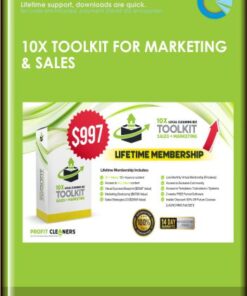 10X Toolkit for Marketing & Sales - Brandon Condrey & Brandon Schoen
  $200k Book Blueprint Training – Richelle Shaw
  Source Hacker System - Peter Szabo
  30 Days To An Organized Home – Get Organized Gal
  'MAGNETIC INFLUENCE' - Magnet for Money, Charisma, Confidence! - Dani Johnson
  Wisdom Series 8 – Christof Melchizedek
  SEO That Works 4.0 (2021) - Brian Dean
  $12k in 37 Days 4 Week Master Class – Sean Terry
  $100K Online Marketing Kit – Staci Ann
  $8K Per Day Formula - Chris Record
  $300 a day YouTube Affiliate Marketing Blueprint - Hunter Edwards
  ‘The Iceman’ 10-Week Video Course – Wim Hof Method
  .Net for Beginners
 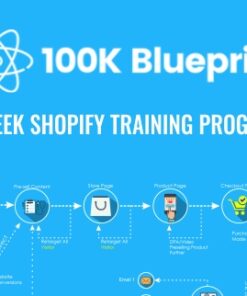 $100K Blueprint : 8 Week Shopify Training Program – Dan DaSilva
  Simply Beautiful -Home Study - Julie Renee
  Code 2 Conversions - Chris Rocheleau
 You may be interested in…
-
Add
 100 Days to $100k – PPL Army
Original price was: $399.00.$64.00Current price is: $64.00.
100 Days to $100k – PPL Army
Original price was: $399.00.$64.00Current price is: $64.00. -
Add
"Fix My Job" binaural mantra meditation for attracting work you love - Michael Davis Golzmane
Original price was: $20.00.$17.00Current price is: $17.00.
-
Add
10 Best-Ever Anxiety Treatment Techniques - Margaret Wehrenberg
Original price was: $399.99.$164.00Current price is: $164.00.
-
Add
123 Manifest It - Marlenea Johnson
Original price was: $735.00.$152.00Current price is: $152.00.
-
Add
1000 Calorie Challenge - Joel Marion & Amd Ricafranca
Original price was: $500.00.$34.00Current price is: $34.00.

![[Audio] IC04 Professional Resources Day Workshop 04 - Self-Exploration: Cultivating Humility - Steve Andreas](https://utralist.com/wp-content/uploads/2023/04/Audio-Only-IC04-Professional-Resources-Day-Workshop-04-Self-Exploration-Cultivating-Humility-Steve-Andreas-M.A-100x100.png)