-
×
 [BIG Collection Real Estate] Real Estate Web Academy – Great Real Estate Giveaway
1 × $88.00
[BIG Collection Real Estate] Real Estate Web Academy – Great Real Estate Giveaway
1 × $88.00 -
×
 ‘The Iceman’ 10-Week Video Course – Wim Hof Method
2 × $35.00
‘The Iceman’ 10-Week Video Course – Wim Hof Method
2 × $35.00 -
×
10,000 Royalty Free Photos - Alun Hill
1 × $195.00
-
×
0-100k Case Study from Grant Ambrose
3 × $95.00
-
×
Affiliate Marketing Revolution - Luca De Stefani
2 × $74.00
-
×
Effective Rehab Strategies for Progressive Neurological Disorders - Michel Janet (Shelly) Denes
1 × $84.00
-
×
(SU281) Complex & Organic Modeling
1 × $115.00
-
×
12 Dimensions of Mastery (Lifebook Challenge)
2 × $92.00
-
×
NPL Mastery + MASSIVE Oto bonuses
2 × $130.00
-
×
10x Formula lntensive Training - Lee Mclntyres
2 × $90.00
-
×
Affiliate Millionaires 3.0 2017 – Greg Davis
2 × $139.00
-
×
Advanced Seminar - Market Geometry
7 × $95.00
-
×
8x Hero Academy – Alex Becker
2 × $94.00
-
×
Awakening Through Your Difficult Emotions - Ram Dass
2 × $52.00
-
×
12 Week Teleseminar Intensive - Noah St John
1 × $60.00
-
×
1K A Day Challenge – Build a $1K A Day Affiliate Business FROM SCRATCH – Duston McGroarty
4 × $62.00
-
×
3 Clearings in 1! Communication, Wealth, and Intimacy - Michael Davis Golzmane
1 × $30.00
-
×
“Email Response Warrior + Email Inbox Warrior” – Jason Henderson
3 × $78.00
-
×
200 HR Online Yoga Teacher Training - Yoga Renew
2 × $92.00
-
×
Insight - The Principles of a Fulfilling & High-Performance Life
1 × $95.00
-
×
123 Manifest It - Marlenea Johnson
2 × $152.00
-
×
$100K Academy – Charlie Brandt
2 × $63.00
-
×
'Quantum' Chakra Clearing and Balancing Series - Jonette Crowley
1 × $52.00
-
×
1-Hour Home Selling Machine – Wolff Couple
1 × $293.00
-
×
10 Brain-Based Strategies: Help Children Overcome Anxiety and Promote Resilience - Tina Payne Bryson
1 × $29.00
-
×
1 hour Yoga class for beginners - Alex Genadinik
3 × $42.00
-
×
5 Diamond Self-hypnosis SuperPack – Steve G Jones
8 × $144.00
-
×
$0 to $100,000 in 90 Days – eCom Blueprint Bootcamp Program – Ben Malol
1 × $56.00
-
×
“The Beast” Automated Trading System V2 (Feb 2015)
2 × $36.00
-
×
5 Meditations that Will Make You Rich - Steven Hall
1 × $32.00
-
×
10X Secrets Masterclass - Russell Brunson
1 × $102.00
-
×
10 Dollar Time Bomb VIP – Ben Adkins
2 × $44.00
-
×
16 Seminar Home Study Course – Lawrence G. McMillan
5 × $60.00
-
×
Opening the Golden Door of Sacred Geometry
2 × $79.00
-
×
14-Day Options Trading Bootcamp (Jule 2014) – Sang Lucci
2 × $50.00
-
×
"Male Physique Training Templates" - Renaissance Periodization
1 × $42.00
-
×
10 Brain-Based Strategies to Help Children in the Classroom: Improve Emotional, Academic & Social Skills for Back to School - Tina Payne Bryson
1 × $29.00
-
×
100k Coaching Shortcut Secret - Scott Jansen
1 × $52.00
-
×
The Linkedin Executive Advantage Live Mentorship Program
1 × $191.00
-
×
10 Million Dollar Marketing Secrets - Dan Kennedy
1 × $45.00
-
×
"Fix My Job" binaural mantra meditation for attracting work you love - Michael Davis Golzmane
1 × $17.00
-
×
2010 Edition – Market Analysis [Software (WIN)] – Timing Solution Advanced
1 × $232.00
-
×
10 Steps to Learn Anything Quickly - John Sonmez
1 × $104.00
-
×
$200k Book Blueprint Training – Richelle Shaw
2 × $96.00
-
×
Autoresponder Alchemy
1 × $34.00
-
×
2-Day Training Clinical Hypnosis Certificate Course - Eric K. Willmarth
2 × $180.00
-
×
1% Better Every Day Strength Building System - Ricky Lundell
1 × $32.00
-
×
#1 Professional Email Signature Creation: Photoshop to HTML - Marty Englander
5 × $15.00
-
×
Battlefield Kali Sword - JKD Unlimited
1 × $49.00
-
×
Certificate Course in Cognitive Behavioral Therapy for Insomnia (CBT-I): Evidence-based Insomnia Interventions for Trauma, Anxiety, Depression, Chronic Pain, & more - Colleen E. Carney & Meg Danforth
1 × $125.00
-
×
10 Photoshop Retouching Courses In - 1 Course - Manfred Werner
1 × $40.00
-
×
Funds vs. joint Venture Structures Mastery - ACPARE
1 × $90.00
-
×
Magic, Medicine and Mysticism - don Oscar Miro-Quesada
1 × $162.00
-
×
100 Brain-Changing Mindfulness Techniques to Integrate Into Your Clinical Practice - Debra Burdick
1 × $84.00
-
×
12 Major Candlestick Signals - Stephen W.Bigalow
1 × $45.00
-
×
Penguin Live 2: Pocket Mentalism - Richard Osterlind
1 × $20.00
-
×
Command Z - Esozone Codex Brain Change Course
1 × $42.00
-
×
Tax-Free Zone Video Course - America
6 × $79.00
-
×
Ethical Principles in the Practice of Rhode Island Mental Health Professionals - Allan M. Tepper
6 × $84.00
-
×
$0 to $100,000 on Amazon (Premium Live Training) – Matt Clark and Jason Katzenback
2 × $193.00
-
×
MyBeliefworks™ for Increasing Psychic Intuition - Jimmy Mack
5 × $34.00
-
×
"Is Your Soul Allowing You To Heal?" -- All 7 Recordings in the Series (6 Hours of Audio Clearings)
1 × $83.00
-
×
10 Activities to Enhance Social-Emotional Literacy in the Classroom: Transform Student Behavior from Chaos to Calm - Lynne Kenney
3 × $19.00
-
×
Advanced Kinesiology Taping Practitioner Certification - Aaron Crouch
2 × $85.00
-
×
CBT Toolbox for Children and Adolescents
1 × $84.00
-
×
Activate Your Diamond Blueprint - Diamond Energy - Jacqueline Joy
1 × $37.00
-
×
Rhode Island Legal and Ethical Issues for Mental Health Clinicians - Susan Lewis
3 × $84.00
-
×
Advanced Strength and Power - Dan Baker
3 × $42.90
-
×
Grow Your Blog Fast - Brian Dean
1 × $143.00
-
×
"True Bee" Sittepute - Kru Bee Clinch Wizard - Kru Moonkondech
3 × $25.00
-
×
Business Giveaway Machine – Coaching Program - Carl Allen
1 × $85.00
-
×
Cardiopulmonary Therapy for the Rehab Professional: Therapeutic Interventions for All Aspects of Cardiac Care - From ICU to Outpatient - Cindy Bauer
1 × $84.00
-
×
101: Access Your Psych Capital - The ReThink Group
2 × $90.00
-
×
$1K A Day Fast Track – Merlin Holmes
1 × $123.00
-
×
10 Brain-Based Strategies to Help Children Handle Their Emotions: Bridging the Gap between What Experts Know and What Happens at Home & School - Tina Payne Bryson
1 × $29.00
-
×
21 Day Inner Healing Journey - Jimmy Evans
1 × $20.00
-
×
Managing Patient Emergencies: Critical Care Skills Every Nurse Must Know - Dr. Paul Langlois
1 × $85.00
-
×
10x Facebook Ads – Joanna Wiebe
1 × $123.00
-
×
2-Day Intensive Training: Shame, Guilt and Self-Criticism Certificate Course - Pavel Somov
2 × $124.00
-
×
Affiliate Marketing Secrets - Iman Shafiei
1 × $91.00
-
×
Gig Money – How To Live The Gig Life – Earn 1K+ Daily From Rich Clients
1 × $123.00
-
×
Qigong 101: The Art of Healing for Busy People
2 × $35.00
-
×
Simply Beautiful -Home Study - Julie Renee
1 × $289.00
-
×
12 Minute Stage Crazy - Body of a Rock Star
1 × $22.00
-
×
2-Day: Rapid Response: Master the Critical Signs and Symptoms that Patients Provide - Rachel Cartwright-Vanzant
1 × $95.00
 ‘The Iceman’ 10-Week Video Course – Wim Hof Method
  10,000 Royalty Free Photos - Alun Hill
  (SU281) Complex & Organic Modeling
  $100K Academy – Charlie Brandt
  'Quantum' Chakra Clearing and Balancing Series - Jonette Crowley
  $0 to $100,000 in 90 Days – eCom Blueprint Bootcamp Program – Ben Malol
  “The Beast” Automated Trading System V2 (Feb 2015)
  "Male Physique Training Templates" - Renaissance Periodization
  The Linkedin Executive Advantage Live Mentorship Program
  "Fix My Job" binaural mantra meditation for attracting work you love - Michael Davis Golzmane
  $200k Book Blueprint Training – Richelle Shaw
  #1 Professional Email Signature Creation: Photoshop to HTML - Marty Englander
 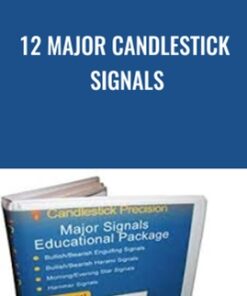 12 Major Candlestick Signals - Stephen W.Bigalow
  $0 to $100,000 on Amazon (Premium Live Training) – Matt Clark and Jason Katzenback
  "Is Your Soul Allowing You To Heal?" -- All 7 Recordings in the Series (6 Hours of Audio Clearings)
  Grow Your Blog Fast - Brian Dean
  "True Bee" Sittepute - Kru Bee Clinch Wizard - Kru Moonkondech
  $1K A Day Fast Track – Merlin Holmes
  10x Facebook Ads – Joanna Wiebe
  Gig Money – How To Live The Gig Life – Earn 1K+ Daily From Rich Clients
  Simply Beautiful -Home Study - Julie Renee
 You may be interested in…
-
Add
 $42000 Mastermind Manuscript 2008 - Rich Schefren
Original price was: $27.00.$23.00Current price is: $23.00.
$42000 Mastermind Manuscript 2008 - Rich Schefren
Original price was: $27.00.$23.00Current price is: $23.00. -
Add
'MAGNETIC INFLUENCE' - Magnet for Money, Charisma, Confidence! - Dani Johnson
Original price was: $397.00.$63.00Current price is: $63.00.
-
Add
1 Hour SEO | Become a Technical Marketer
Original price was: $193.00.$40.00Current price is: $40.00.
-
Add
60 Minute Copy Cure – Doberman Dan and Terry Dean
Original price was: $598.00.$64.00Current price is: $64.00.
-
Add
66 Texts - Andrew Ryan
Original price was: $66.00.$30.00Current price is: $30.00.

![[Audio] IC04 Professional Resources Day Workshop 04 - Self-Exploration: Cultivating Humility - Steve Andreas](https://utralist.com/wp-content/uploads/2023/04/Audio-Only-IC04-Professional-Resources-Day-Workshop-04-Self-Exploration-Cultivating-Humility-Steve-Andreas-M.A-100x100.png)